Ensimmäisessä linkissä olikin kaikkea muutakin mielenkiintoista.
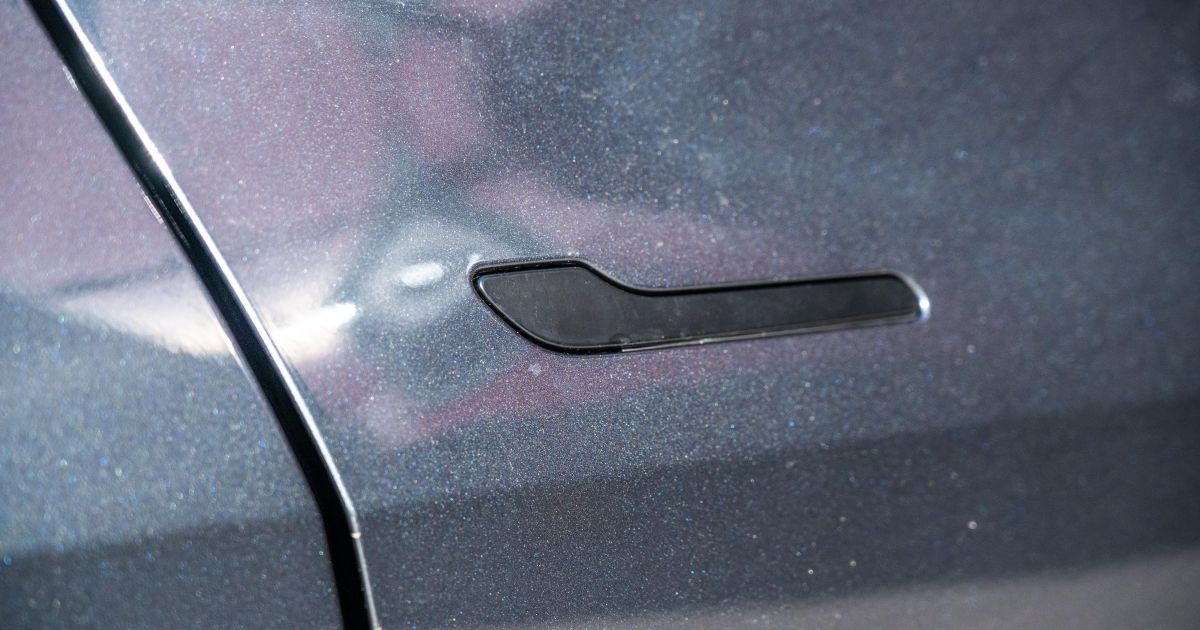
In fact, engineers reportedly calculate that even under optimal conditions, the drag reduction amounts to just 0.005–0.01 Cd, resulting in
negligible ‘savings’ of up to 0.6 kWh/100 km. Worse, the e-motors and support structures for this feature adds up to 8 kg of weight, often cancelling out the aforementioned gains.
If the efficiency benefits are marginal, the downsides are not. These handles
cost about three times more than mechanical ones and
fail at rates up to eight times higher. One major EV brand admitted that broken door handles account for
12% of all repair cases, often requiring complete replacements.
Insurance and crash test data paint an even bleaker picture: hidden handles malfunction in accidents, freeze in cold climates, short-circuit in heavy rain, and trap occupants during emergencies.
The safety consequences are severe. In 2024, crash tests by the China Insurance Automotive Safety Index found electronic door handles only managed a 67% success rate in side-impact pop-outs, compared with 98% for mechanical designs.
Door handles are only the first target. Broader concerns are mounting over the industry’s obsession with design gimmicks such as touchscreen-only controls, panoramic roofs, and electronic mirrors that often compromise usability and safety.
Moreover, China is
not alone in pushing back this feature. From
2026, Euro NCAP will deny its coveted five-star ratings to vehicles that hide critical functions like hazard lights, wipers and horns inside the infotainment unit.
The message is clear:
convenience, safety and common sense must come before design theatre. The ban, if finalised, will close the chapter on one of the industry’s most divisive fads.