Kompressorikoneiston kuparoituminen

  • Viestiketjun aloittaja Viestiketjun aloittaja kylmäkaasu
  • Aloituspäivämäärä Aloituspäivämäärä
K

kylmäkaasu

Vieras
Jos kylmä kiertopiiriin jää kosteutta, tapahtuu kuparoitumista joka aiheuttaa esim. venttiilivian, niin mistä se kupari on kotoisin, syntyykö se kylmäaineen, veden ja öljyn yhteisvaikutuksesta?
 
Vs: Kompressorikoneiston kuparoituminen

Luulis että käämipakan lakka se ensiksi sulaa ja aiheuttaa oikosulun.
 
Vs: Kompressorikoneiston kuparoituminen

8)
Molemmat ovat mahdollisia silloin kun on kosteutta järjestelmässä.
 
Vs: Kompressorikoneiston kuparoituminen

Kapilaaritukos, se ensimmäisenä näkyy, jos sitä kosteutta on enemmän kuin teoreettisen vähän.
 
Vs: Kompressorikoneiston kuparoituminen

kylmäkaasu sanoi:
Luulis että käämipakan lakka se ensiksi sulaa ja aiheuttaa oikosulun.

no minäpä herätän tästä vähän keskustelua...
- tietääkö joku minkä lämpöluokan laitteita kompurat ovat sähköteknisesti yleensä?
kurkkasin omasta Danfossista : Copeland / ZH26K4E-TFD-524 / motor E, prot T / 6,8 A (tässä ne mitä olennaiseksi katsoin)
> googlauksella löysin Copelandin speksin jossa
.. lämpöraja (ilmeisesti kuumakaasun) pitää olla 120 astetta
.. kompressorin moottoriosan lämpöluokitus on B eli 130 astetta

jos siis käämilakka sulahtaisi niin (kuumakaasun) lämpötila pitäisi olla olla REILUSTI yli 130 astetta, sanoisin 160 + tai jopa enemmän.
= ei todennäköistä jos suojaukset toimivat. toinen asia on on piilevä valmistusvika / käämissä kierrossulku, sitten pallo karkaa...
 
Vs: Kompressorikoneiston kuparoituminen

Pekka ei nyt ymmärrä aihepiirin kokonaisajatusta. Kyse ei siis ole lämpötilasta.
 
Vs: Kompressorikoneiston kuparoituminen

Kosteus (vesi) joka ei mahdu imeytymään kuivaimen massaan aiheuttaa kylmäainen ja öljyn kanssa reagoidessaan syövyttäviä yhdisteitä...Kompressorin palaessa syntyy yhdisteitä (happoja)jotka tuhoavat uuden kompressorin ennen pitkää mikäli niitä ei saa pois järjestelmästä...
 
Vs: Kompressorikoneiston kuparoituminen

Näin aluksi hyvä erotella tuon syöpymisen kannalta HCFC -ja HFC-kylmäaineet.Ensiksimainitut klooratut fluorivedyt
ovat siitä ärhäkimmästä päästä aiheuttamaan tuota kuparoitumsta ,jos edellytykset olemassa.

Kotoisissa minispliteissä (HFC)kaiketi kuparoituminen lähinnä teoreettista ,jos kosteus nyt ei aivan hölsky systeemissä.

Toki tästä mielellään pelotellaan laskun maksajaa ... ammattikunta valmistajat tätä kosteusasiaa mielelläään propagoi
vaikka olemattomasti dataa olemassa tuolta HCF-puolelta.HCFC- aineet puolestaan tuottaneet kiitettävästi kuparoitumis- dataa,tosin historiakin on pitkä!

Osaltaan valmistajat itse aiheuttavat tuon kosteusongelman

.pdf 10/38
http://www.hawco.co.uk/UserFiles/MediaLibrary/Zs75s.PDF

Hitachin scrollissa siis raja-arvo 0,2g (=200mg => n. 4 H2O -tippaa !)
Danfossilla toi raja oli n. 250-350mg kompressorikoosta riippuen.

Huomaa ,että näitä kompuroita ei enää kaiketi pumppuvalmistuslinjalla tyhjiöidä!Ne ovat alunperin marinoitu (ultra?)kuivalla typellä kompressorivalmistajan linjalla.
Miten sitten tuo typpi poistetaan systeemistä voiteluöljyn (esim. POE) lisäyksen yhteydessä,sitä en tiedä!
Huuhtelemallako?

Nykyisin spliteissä ei enää minkäänlaisia kuivaimia käytetä,nehän maksaa ja lisää "presure droppia" systeemissä.
Siteeraus alla kuvastaa erinomaisesti filosofiaa,mikä aiemmin vallalla

"Quote:

50 ppm moisture with POE is about as low as you should expect for virgin POE in drums. In bulk 6000 gallon trailers delivered direct from the POE manufacturer, it normally runs about 30 ppm. When it is put into a system the level of moisture usually increases. 100 ppm is not out of the norm.

The moisture in the POE will redistribute itself into the refrigerant very quickly once the system is running. If there are filter driers in the system, the desiccant will grab the moisture from the refrigerant. Circulating moisture levels below 120 ppm are not a concern, unless you know the discharge or condensing temperatures run very hot where the moisture could damage the POE. If the moisture is doing any damage to the POE, you can track it by the increase in TAN (acidity). At room temperature, the chemical reaction between POE and moisture is extremely slow. Unless something very strange has happened, the TAN on the POE in your machine should be very low, and the POE is just fine. If your oil analysis shows the TAN is below 0.05 mg/g KOH, then nothing bad has happened to the virgin POE because of moisture.

If you want lower moisture levels in the system after it is started up, change out the filter driers after the refrigerant dehydrates the POE and the drier dehydrates the refrigerant. This will prevent any ice problems in the expansion device if the temperatures go below minus 100 F. ;- /=-38C)

I personally think changing out virgin POE because it is slightly wet is a waste when you could easily just change out the filter driers after the unit starts up.
Rob Yost
National Refrigerants "

Öljyvalmistajan näkemys:

Quote:

http://www.fuchs-europe.de/uploads/m..._2010-2011.pdf

Refrigeration oils for partly and fully-halogenatedfluorinated and chlorinated hydrocarbons (CFC,HCFC) – as a rule, mineral oils and alkyl benzene(in some cases ester oils also possible).Mostly, highly-refined, naphthenic mineral oilsand specially-treated alkyl benzene (alkylates) areused. The water content of fresh KC oils shouldbe < 30 ppm. If the water content is higher, thereis a danger of undesirable reactions with the refrigerant which can lead to the decomposition of
the oil-refrigerant mixture.


RGd. HFC´s , the limit is ... suprise,suprise ... 100ppm (see below)!

Refrigeration oils for partly and fully-fluorinatedhydrocarbons (HFC, FC) – as a rule, polyol esters(POE) or polyalkylene glycol (PAG). The refrigerationoils described in group KD are polar products with pronounced hygroscopic characteristics.For fresh polyol esters (POE), the water content should not exceed 100 ppm. Polyalkylene glycol(PAG) are often used in aircon systems. Their maximumfresh-oil water content should not exceed
350 ppm.

====

Aiemmissa värssyissäni kauhistelin tuota POE-öljyn max.50ppm:n rajaa (astiatavarana), tuo 100ppm H2O:lle yllä kuulostaa
jo rienaukselta!

Normaali spliteissähän POE-öljyä n.300g josta siis 100ppm:ää vastaa 300mg H2O:ta (=> n.6 tippaa H2O:ta)!

Samaan aikaa kylmäkalle vauhkoaa n. <<10mg absoluuttisista kosteuspitoisuuksista (ulkoilman mukana kulkeutuneista) asennusputkissa (<2x7,5m),vaikka putket olisivat alunperin kirkkaat sisältä ja tulpitetut päistä .

Meillä on tässä hehtaariluokan poikkeamia suhteelisuudentajussa!

Tuo kuparoituminen kaiketi koskee vain laakeripintoja. Kuriositeetti sinänsä ,mutta onko enää tätä päivää spliteissä?
Lakkapinnat ei haposta säikähdä.
 
Vs: Kompressorikoneiston kuparoituminen

Jäähöyry sanoi:
Kosteus (vesi) joka ei mahdu imeytymään kuivaimen massaan aiheuttaa kylmäainen ja öljyn kanssa reagoidessaan syövyttäviä yhdisteitä...Kompressorin palaessa syntyy yhdisteitä (happoja)jotka tuhoavat uuden kompressorin ennen pitkää mikäli niitä ei saa pois järjestelmästä...

Yhteen kuivausfiltteriin mahtuu reiluhkosti tavaraa

http://www.heatinghelp.com/files/posts/2547/POE%20oil.pdf
 
Vs: Kompressorikoneiston kuparoituminen

Jos tuo kupariliemi noin hyvin tuolla putkistossa pyörii ja tarttuu niinkin kovaan metalliin kuin laakeripintoihin, niin eikös tuo helpommin tartu esim rautaan, jota kompuran pönttö on.
Tästäpä syntyi ajatus että sillähän voitaisiin paikata höyrystinvuodot sisältäpäin,muutetaan höyrystin lauhduttimeksi, niin lämmön kanssa aine ajautuu vuotokohtiin ja kappas vaan höyrystin on ehjä.
Autojen syylaritkin aikoinaan paikattiin sellaisella sokerin kokoisella mällin palalla.
 
Vs: Kompressorikoneiston kuparoituminen

Lienee paikallaan, ettei tuota kuparoitumista ilmiönä paisuteta suuremmaksi ,mitä se itse asiassa onkaan.
Kylmäalalla on hokemia ,jotka toistuvat määräajoin ,ilman että asiaa ajatellaan sen kummemmin pidemmälle .
Täällä foorumilla moni hokema lähtöisin luentomonisteen virkkeen tai parin ympäripyöreästä heitosta,joka varmaan joskus muinaisuudessa ollut totisinta faktaa ,mutta nykylaitteisiin sovellettuna lähinnä yksi vaihtoehdoista.

Lienee fakta,että kuumakaasupuolella on max.lämpötila-limitit ylitetty ,ennen kuin ilmiö pääsee ongelmana esiin toistensa suhteen liukuvilla metallipinnoilla (laakerit/venttiilit) ahtaissa paikoissa .Ilmiö kaiketi galvaaninen ... epäjalon metallin päälle jaloa ...
Muualla tuo kuparoituminen lähinnä putsaa systeemiä!

Jotta ilmiö saisi jalansijaa systeemissä,se edellyttää siis kuumakaasun spexattujen lämpötilan raja-arvojen ylitystä.

Mikä siis nostaisi tuon lämpötilan ylös minispliteissä,joissa kuivaajia ei nykysin ole ?

-lauhtumattomat kaasut (ilma/typpi)systeemissä)?
systeemin lämpimällä puolella jäännöskosteus voimakkaasti paineistettuna toimii lauhtuvan kaasun tavoin ,vai kuinka,joten
ei ongelma sinänsä?

-paisuntaelimen sihdin (streamer) tukos lietteestä?
-onko muuta syytä?

Toisaalta ,eikö kompressorissa ole paineenrajoitin => automatiikka hillitsee paineen nousua?=> sammuuko laite katkokäynnille? => ilmoittaako laite jotenkin ongelmasta (itsediagnostiikka poissulkien) ?
 
Vs: Kompressorikoneiston kuparoituminen

SRK:lla hiukan jopa järkeä kirjoituksessa, mutta enemmän kuitenkin ammattitaidottomuutta kirjoitus osoittaa,en kirjoita haukkuakseni, sinussa on ainesta, ehdottomasti.

Asiaa:
404 laitteissa olen havainnut, kun lauhdutin on tukkeutunut seuraavan ilmiön. Kylmäpiiri muodostaa luultavammin hartsia, on sellaista valkoista kuitumaista tavaraa. myös kapilaari tukkeumat ovat yleisiä, moni tulkitsee vian kylmäaine vajaukseksi
 
Vs: Kompressorikoneiston kuparoituminen

kylmäkaasu sanoi:
SRK:lla hiukan jopa järkeä kirjoituksessa, mutta enemmän kuitenkin ammattitaidottomuutta kirjoitus osoittaa,en kirjoita haukkuakseni, sinussa on ainesta, ehdottomasti.

Asiaa:
404 laitteissa olen havainnut, kun lauhdutin on tukkeutunut seuraavan ilmiön. Kylmäpiiri muodostaa luultavammin hartsia, on sellaista valkoista kuitumaista tavaraa. myös kapilaari tukkeumat ovat yleisiä, moni tulkitsee vian kylmäaine vajaukseksi

Jokohan olisi aika etsiä oikeat selitykset. Kyseessä on kuitenkin suljettu systeemi jossa on muutamia hyvin tunnettuja aineita, niiden keskeinen kemia on täysin selvitettävissä. Erityisesti fluori on aivan karmeaa tavaraa joissakin yhdisteissä. Se että kupari ensin liukenee putkesta ja sitten pelkistyy jonnekin kuulostaa ihan hyvältä, mutta näkyviin ilmiöihin tarvittavat ainemäärät ovat sellaisia että vettä pitää varmaan olla aika paljon, tai sitten siellä tapahtuu jotain paljon mielenkiintoisempaa.

Tässä tarvittaisiin nyt 3kg miestä joka pääsee valmistajien tietolähteille.
 
Vs: Kompressorikoneiston kuparoituminen

Jos ei ole 3 kg miestä, niin kävisikö Kilon poliisi ratkaisemaan tämän pulman.
 
Vs: Kompressorikoneiston kuparoituminen

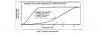
Reilun vuosikymmenen takaa osui silmiin oheinen paperi ,jossa luodattiin ns.happosieppareiden (=AC kuvassa alhaalla)
vaikutusta POE-öljyn lisäaineistuksena.

Jo tuolloin todettiin ,että sopiva AcidCatcher -lisä vettyneessä POE-öljyssä jopa 175C:een lämpötilassa
kuohii happamuuden nousun lähes täysin verrokkeihin nähden R410/407 -kylmäaineissa.

Lienee luutavaa ,että nykyisin tuo kosteusongelma on hyvin hoidossa POE-öljyissä,eikä kuparoitumnen enää edusta tätä päivää,muuten kuin kuivainvalmistajien päiväunissa kassakoneen kilinää kuunnellessa.

Tämä siis liittyen minisplitteihin!
Muita arvauksia tarjolla?

http://docs.lib.purdue.edu/cgi/viewcontent.cgi?article=2209&context=icec&sei-redir=1&referer=http%3A%2F%2Fwww.google.fi%2Furl%3Fsa%3Dt%26rct%3Dj%26q%3Dcu%2520plating%2520compressor%2520r410a%2520407%2520404%26source%3Dweb%26cd%3D1%26ved%3D0CEEQFjAA%26url%3Dhttp%253A%252F%252Fdocs.lib.purdue.edu%252Fcgi%252Fviewcontent.cgi%253Farticle%253D2209%2526context%253Dicec%26ei%3DM5ouT_ztLdHY4QSAsoi3Dg%26usg%3DAFQjCNGawTGcJTJLMXa4qWNYo82oBBOYWw#search=%22cu%20plating%20compressor%20r410a%20407%20404%22
 

Liitetiedostot

  • viewcontent_POEacid_catcher.jpg
    viewcontent_POEacid_catcher.jpg
    15,5 KB · Lukukerrat: 403
Vs: Kompressorikoneiston kuparoituminen

Löytyi oheinen pikakurssi "ammattilaisten" arvioitavaksi:

"Determine the mechanism for copper plating and methods for Its Elimination from HVAC Systems"

http://www.thefreelibrary.com/Determine+the+mechanism+for+copper+plating+and+methods+for+Its...-a0201378217

Poimintaa:

Labra- ja kenttätestit antoivat osin ristiriitaisia tuloksia.Kenttätesteissä joidenkin parametrien osuutta (esim .ilma) ei edes ollut huomioitu !

Summary of Lab Tests

The research with the sealed tubes and ampules indicated there are three basic types of low temperature [below 150[degrees]C (302[degrees]F)] copper plating mechanisms that can occur based on the type of refrigerant, oil and acid.

1. Chlorinated hydrocarbons [chlorinated oil postulated by Spauchus (1963)] undergo a dechlorination reaction with the iron surface and water causing iron surface to undergo corrosive oxidation promoting copper plating by dissolved copper species. Increasing the number chlorines in the hydrocarbon molecule increases the rate of dechlorination in the presence of water and steel surfaces without affecting the copper plating rate.

2. HCFC refrigerants/solvents are not directly involved in the copper plating reaction. Indirectly, HCFC degradation can produce chlorinated oil molecules to promote copper plating by the first mechanism. The copper plating occurs in the liquid phase involving reactions between long chain carboxylic acids (e.g., oleic acid), corroded iron surface, water and dissolved copper species. The presence of fluorines in the HCFC molecule greatly reduces the dechlorination susceptibility of the molecule.

3. HFC refrigerants/solvents are not involved in the copper plating mechanism to any degree. In fact, the HFC environment appears to inhibit copper plating so that plating occurs in the vapor phase by reactions between thin layers of volatile, short chain acids (e.g., pentanoic), corroded iron surface, condensing water and dissolved copper species (splashing, thermal gradient, etc. transport liquid containing dissolved copper species to reactive iron surface).

Copper plating will only occur on metal surfaces anodic to copper
which can be corroded/oxidized (e.g., aluminum, zinc, low carbon steel) and not on inert surfaces such as the stainless steel, Teflon surfaces or graphite.

YleisSuosituksia eli vältä lähes kaikkea:

RECOMMENDATIONS TO PREVENT COPPER PLATING

Based on the results of the research and the proposed copper plating mechanism, copper plating can be prevented by excluding air and/or water from the refrigeration system as follows:

1. Exclusion of air from stored copper tubing and operating refrigeration system is the first priority because copper plating can not occur without copper oxidation.

a. Inhibits copper oxide formation in Reaction 1 required for copper corrosion and dissolution in Reactions 2 and 3. Copper oxides react with carboxylic acids to produce water promoting subsequent copper plating reactions.

b. Inhibits oil oxidation to produce carboxylic acids required for metal surface corrosion in Reactions 2 and 4.

2. Exclusion of water from stored lubricating oil and operating system is the next priority because copper plating can not occur without steel surface corrosion
[Thin plating (blush) can still occur in wear regions (Reaction 5) in presence of copper carboxylates].

a. Inhibits corrosion of steel surface by carboxylic acid or chlorinated oil in Reaction 4.

b. Inhibits dissolution/transportation of ionic species to steel surface.

c. Inhibits electrochemical plating process in Reaction 5 by removing conductive/ionizing matrix.

d. Inhibits hydrolysis of POE lubricating oil or antiwear additives (triaryl phosphate) to produce corrosive carboxylic and phosphoric acids, respectively.

3. As a general rule, system cleanliness is important: carboxylic acids from lubricating oil, brazing chemicals such as zinc chloride, process chemicals such as carboxylates in drawing fluids from copper tubing, etc. should be excluded from the refrigeration system. The absence of air and water will decrease the effects of system contamination but copper plating can still occur if the contaminants promote the corrosion of the oxidized copper tubing and steel surfaces.

RECOMMENDATIONS TO ELIMINATE COPPER PLATING

If the air and water concentrations in the refrigeration system exceed the levels required for copper plating to occur, then copper plating can be eliminated by using an adsorbent/supported chelator combination. Alumina is especially useful as the adsorbent material for CFC and HCFC refrigerant/mineral oil systems in which chlorinated oil has been produced by refrigerant/oil reactions (thermal degradation/wear region). Also, any process that reduces the overall water and/or acid content of the refrigeration system will aid in eliminating continuing copper plating from the refrigeration system.

However, the most complete process for eliminating copper plating involves incorporation of a supported chelator(s) specifically designed for extracting copper and iron species from circulating systems, i.e., dissolved copper is removed from the flowing system prior to contact with compressor steel surfaces and reduction by dissolved iron (II) species. The silica supported Triamine Tetraacetate (TATA) and Diethylenetriamine after Phosphoric Acid Treatment (DETA-P) chelators tested during this research program are designed to remove dissolved Cu (II) species and were very effective in extracting dissolved copper species from both flowing HCFC/mineral oil and HFC/POE oil systems. If required, supported chelators to extract Cu (I) or other metal species of interest could be designed into the copper removal system to improve its effectiveness. The chelators change color as they absorb copper: light yellow - no copper present to blue - chelator saturated with copper. Therefore, the color change could be used to indicate the presence of dissolved copper species in the refrigeration system as well as a change out indicator (similar to indicating driers) to improve the reliability of the refrigeration system operation through both prevention and elimination of copper plating.
 
Takaisin
Ylös Bottom