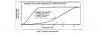
Vs: Kompressorikoneiston kuparoituminen
Näin aluksi hyvä erotella tuon syöpymisen kannalta HCFC -ja HFC-kylmäaineet.Ensiksimainitut klooratut fluorivedyt
ovat siitä ärhäkimmästä päästä aiheuttamaan tuota kuparoitumsta ,jos edellytykset olemassa.
Kotoisissa minispliteissä (HFC)kaiketi kuparoituminen lähinnä teoreettista ,jos kosteus nyt ei aivan hölsky systeemissä.
Toki tästä mielellään pelotellaan laskun maksajaa ... ammattikunta valmistajat tätä kosteusasiaa mielelläään propagoi
vaikka olemattomasti dataa olemassa tuolta HCF-puolelta.HCFC- aineet puolestaan tuottaneet kiitettävästi kuparoitumis- dataa,tosin historiakin on pitkä!
Osaltaan valmistajat itse aiheuttavat tuon kosteusongelman
.pdf 10/38
http://www.hawco.co.uk/UserFiles/MediaLibrary/Zs75s.PDF
Hitachin scrollissa siis raja-arvo 0,2g (=200mg => n. 4 H2O -tippaa !)
Danfossilla toi raja oli n. 250-350mg kompressorikoosta riippuen.
Huomaa ,että näitä kompuroita ei enää kaiketi pumppuvalmistuslinjalla tyhjiöidä!Ne ovat alunperin marinoitu (ultra?)kuivalla typellä kompressorivalmistajan linjalla.
Miten sitten tuo typpi poistetaan systeemistä voiteluöljyn (esim. POE) lisäyksen yhteydessä,sitä en tiedä!
Huuhtelemallako?
Nykyisin spliteissä ei enää minkäänlaisia kuivaimia käytetä,nehän maksaa ja lisää "presure droppia" systeemissä.
Siteeraus alla kuvastaa erinomaisesti filosofiaa,mikä aiemmin vallalla
"Quote:
50 ppm moisture with POE is about as low as you should expect for virgin POE in drums. In bulk 6000 gallon trailers delivered direct from the POE manufacturer, it normally runs about 30 ppm. When it is put into a system the level of moisture usually increases. 100 ppm is not out of the norm.
The moisture in the POE will redistribute itself into the refrigerant very quickly once the system is running. If there are filter driers in the system, the desiccant will grab the moisture from the refrigerant. Circulating moisture levels below 120 ppm are not a concern, unless you know the discharge or condensing temperatures run very hot where the moisture could damage the POE. If the moisture is doing any damage to the POE, you can track it by the increase in TAN (acidity). At room temperature, the chemical reaction between POE and moisture is extremely slow. Unless something very strange has happened, the TAN on the POE in your machine should be very low, and the POE is just fine. If your oil analysis shows the TAN is below 0.05 mg/g KOH, then nothing bad has happened to the virgin POE because of moisture.
If you want lower moisture levels in the system after it is started up, change out the filter driers after the refrigerant dehydrates the POE and the drier dehydrates the refrigerant. This will prevent any ice problems in the expansion device if the temperatures go below minus 100 F. ;- /=-38C)
I personally think changing out virgin POE because it is slightly wet is a waste when you could easily just change out the filter driers after the unit starts up.
Rob Yost
National Refrigerants "
Öljyvalmistajan näkemys:
Quote:
http://www.fuchs-europe.de/uploads/m..._2010-2011.pdf
Refrigeration oils for partly and fully-halogenatedfluorinated and chlorinated hydrocarbons (CFC,HCFC) – as a rule, mineral oils and alkyl benzene(in some cases ester oils also possible).Mostly, highly-refined, naphthenic mineral oilsand specially-treated alkyl benzene (alkylates) areused. The water content of fresh KC oils shouldbe < 30 ppm. If the water content is higher, thereis a danger of undesirable reactions with the refrigerant which can lead to the decomposition of
the oil-refrigerant mixture.
RGd. HFC´s , the limit is ... suprise,suprise ... 100ppm (see below)!
Refrigeration oils for partly and fully-fluorinatedhydrocarbons (HFC, FC) – as a rule, polyol esters(POE) or polyalkylene glycol (PAG). The refrigerationoils described in group KD are polar products with pronounced hygroscopic characteristics.For fresh polyol esters (POE), the water content should not exceed 100 ppm. Polyalkylene glycol(PAG) are often used in aircon systems. Their maximumfresh-oil water content should not exceed
350 ppm.
====
Aiemmissa värssyissäni kauhistelin tuota POE-öljyn max.50ppm:n rajaa (astiatavarana), tuo 100ppm H2O:lle yllä kuulostaa
jo rienaukselta!
Normaali spliteissähän POE-öljyä n.300g josta siis 100ppm:ää vastaa 300mg H2O:ta (=> n.6 tippaa H2O:ta)!
Samaan aikaa kylmäkalle vauhkoaa n. <<10mg absoluuttisista kosteuspitoisuuksista (ulkoilman mukana kulkeutuneista) asennusputkissa (<2x7,5m),vaikka putket olisivat alunperin kirkkaat sisältä ja tulpitetut päistä .
Meillä on tässä hehtaariluokan poikkeamia suhteelisuudentajussa!
Tuo kuparoituminen kaiketi koskee vain laakeripintoja. Kuriositeetti sinänsä ,mutta onko enää tätä päivää spliteissä?
Lakkapinnat ei haposta säikähdä.