Droonit hyökkäävät yleensä katolle ja säiliö palaa suht siististi, paremmin tehoaisi säiliön alareunaan osuva posaus - öly leviäisi laajemmalle. Venäläisiä käytäntöjä en tunne, mutta suomalaisessa öljysataman säiliössä oli betoninen vallihauta estämässä öljyn leviämistä. Se oli kooltaan liian pieni koko säiliölle, mitoitus oli pienemmille ongelmille.Öljynjalostamo ei ole aivan helppo tuhota. Se on jo vähän pakko rakentaa sillä tavalla, että tuli ei lähde leviämään. Yhdellä droonilla voi tuhota yhden säiliön tai reaktorin. Kunnon tuohot aikaan saadakseen tuommoiseen pitäisi saada kymmeniä jytkyjä, jolloin sammutuskapasiteettikin loppuisi. Tyyliin kaksi paloa, samuskalostoa yleensä riittää hyvin eikä palavalle varastosäiliölle välttämättä tarvitse tehdä muuta kuin antaa palaa ja vähän tarkkailee viereisiä.

Navigaatio
Asenna sovellus
Sovelluksen asentaminen iOS:ssä
Seuraa alla olevaa videota nähdäksesi, miten asennat sivustomme verkkosovelluksena aloitusnäytöllesi.
Huom.: This feature may not be available in some browsers.
Lisää vaihtoehtoja
Teeman tyyli
Käytät vanhentunutta selainta. Selaimesi ei mahdollisesti näytä tätä tai muita sivustoja oikein. Sinun tulisi päivittää selaimesi tai käyttää vaihtoehtoista selainta..
Ukrainan tilanne
- Viestiketjun aloittaja Kellarinlämmittäjä
- Aloituspäivämäärä
- Tila
- Ei avoinna uusille viesteille.

Näin SuomessaDroonit hyökkäävät yleensä katolle ja säiliö palaa suht siististi, paremmin tehoaisi säiliön alareunaan osuva posaus - öly leviäisi laajemmalle. Venäläisiä käytäntöjä en tunne, mutta suomalaisessa öljysataman säiliössä oli betoninen vallihauta estämässä öljyn leviämistä. Se oli kooltaan liian pieni koko säiliölle, mitoitus oli pienemmille ongelmille.
"Vallitilan tilavuuden tulee olla vähintään niin suuri, että suurimmasta vallitilassa olevasta I tai II luokan palavan nesteen säiliöstä mahdollisesti vuotava neste jää vallin sisäpuolelle."
Joo.. siitä minun havainnostani on aika kauan, kehitys on kehittynyt.
No nyt on Orban ihan yksin. Ruotsikin ilmaissut, että mistä neuvotella... Unkari on joko Valkovenäjän tiellä, tai tapahtuu muutos, saas nähdä. Unkarin ei pitänyt olla viimeinen hyväksyjä.
Vedätys taisi mennä liian pitkälle.
Nyt viimeistään on selvää että siellä on Valtsun sätkunukke vedossa.
Jos kerran ajaa vihollisen asiaa, niin pitäisi kyllä voida potkaista ulos kerhosta.
Asialle tuli jo lopullinen sinettikin, https://yle.fi/a/74-20008814?utm_medium=social&utm_source=copy-link-shareNo nyt on Orban ihan yksin. Ruotsikin ilmaissut, että mistä neuvotella... Unkari on joko Valkovenäjän tiellä, tai tapahtuu muutos, saas nähdä. Unkarin ei pitänyt olla viimeinen hyväksyjä.
Vedätys taisi mennä liian pitkälle.
Kauppamies on kauppamiesAsialle tuli jo lopullinen sinettikin, https://yle.fi/a/74-20008814?utm_medium=social&utm_source=copy-link-share

Espejot
Hyperaktiivi
Ajaushautomon pohdintaa vuodelta 2018
Extending Russia - Competing from Advantageous Ground
Geopolitical Measures
Perhaps the most literal way to extend Russia would be to increase
the costs of its foreign commitments. As early as the 1940s, George
Kennan—the father of containment—suggested that the Soviet Union
was already overextended and that the military, economic, and political
costs of sustaining its empire would ultimately be one of the factors
leading to the reform or collapse of the Communist system.
Measure 1: Provide Lethal Aid to Ukraine
[....]
Likelihood of Success
Eastern Ukraine is already a significant drain on Russian resources,
exacerbated by the accompanying Western sanctions. Increasing U.S.
military aid would certainly drive up the Russian costs, but doing so
could also increase the loss of Ukrainian lives and territory or result in
a disadvantageous peace settlement. This would generally be seen as a
serious setback for U.S. policy.
Conclusion
The option of expanding U.S. military aid to Ukraine has to be evaluated
principally on whether doing so could help end the conflict in the
Donbass on acceptable terms rather than simply on costs it imposes on
Moscow. Boosting U.S. aid as part of a broader diplomatic strategy to
advance a settlement might well make sense, but calibrating the level
of assistance to produce the desired effect while avoiding a damaging
counter-escalation would be challenging

 en.wikipedia.org
Extending Russia - Competing from Advantageous Ground
- What are Russia's greatest anxieties and vulnerabilities?
- In what ways can these anxieties and vulnerabilities be exploited and extend Russia?
- What are the costs and risks associated with each option, and what are the prospects of success?
Geopolitical Measures
Perhaps the most literal way to extend Russia would be to increase
the costs of its foreign commitments. As early as the 1940s, George
Kennan—the father of containment—suggested that the Soviet Union
was already overextended and that the military, economic, and political
costs of sustaining its empire would ultimately be one of the factors
leading to the reform or collapse of the Communist system.
Measure 1: Provide Lethal Aid to Ukraine
[....]
Likelihood of Success
Eastern Ukraine is already a significant drain on Russian resources,
exacerbated by the accompanying Western sanctions. Increasing U.S.
military aid would certainly drive up the Russian costs, but doing so
could also increase the loss of Ukrainian lives and territory or result in
a disadvantageous peace settlement. This would generally be seen as a
serious setback for U.S. policy.
Conclusion
The option of expanding U.S. military aid to Ukraine has to be evaluated
principally on whether doing so could help end the conflict in the
Donbass on acceptable terms rather than simply on costs it imposes on
Moscow. Boosting U.S. aid as part of a broader diplomatic strategy to
advance a settlement might well make sense, but calibrating the level
of assistance to produce the desired effect while avoiding a damaging
counter-escalation would be challenging
RAND Corporation - Wikipedia

Kellarinlämmittäjä
Oppimiskäyrällä
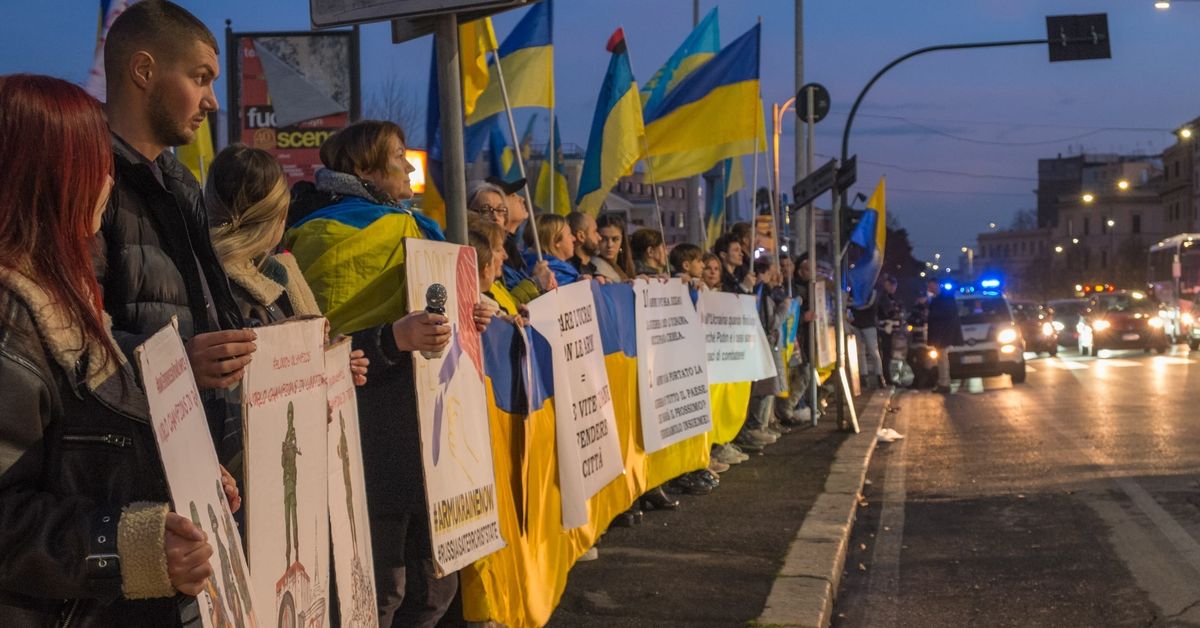
Enää pieni vähemmistö Euroopassa uskoo Ukrainan voittavan sodan. Kuinkas tässä näin on päässyt käymään ?
 yle.fi
Eurooppalaiset eivät enää usko Ukrainan voittoon, kertoo synkkä kyselytutkimus
Vain keskimäärin kymmenen prosenttia tutkittujen EU-maiden asukkaista uskoo, että Ukraina voi voittaa sodan.
Eurooppalaiset eivät enää usko Ukrainan voittoon, kertoo synkkä kyselytutkimus
Vain keskimäärin kymmenen prosenttia tutkittujen EU-maiden asukkaista uskoo, että Ukraina voi voittaa sodan.
yle.fi

Husky
Hyperaktiivi
Vähän alkaa Ylelläkin olla klikkiotsikointia, kun saman tutkimuksen mukaan vain 20% uskoo Venäjän voittavan. On se kaksinkertainen määrä, mutta kuitenkin menee otsikko ihan eri valoonEnää pieni vähemmistö Euroopassa uskoo Ukrainan voittavan sodan. Kuinkas tässä näin on päässyt käymään ?
Eurooppalaiset eivät enää usko Ukrainan voittoon, kertoo synkkä kyselytutkimus
Vain keskimäärin kymmenen prosenttia tutkittujen EU-maiden asukkaista uskoo, että Ukraina voi voittaa sodan.
Eurooppalaiset eivät enää usko Ukrainan voittoon, kertoo synkkä kyselytutkimus
Vain keskimäärin kymmenen prosenttia tutkittujen EU-maiden asukkaista uskoo, että Ukraina voi voittaa sodan.
Espejot
Hyperaktiivi
Afganistanista on joutunut lähtemään kaikki häntä koipien välissä.Eikös ryssä joutunut Afganistanista lähtemään miestappioiden takia. Kun vuosikausia kuoli sen verran, että alkoi lopulta jo tuntua. Ei siellä muistaakseni kuolemamäärät ihan mahdottoman suuria olleet per vuosi.
Nyt kun on kaksi vuotta tuota sotaa käyty niin näyttäisi että Ukraina pystyy aiheuttamaan enemmän tappioita venäjälle puollustaessaan kuin itse hyökkäämällä. Venäläiset tuovat kalustoaan lähemmäsi rintamaa ja huoltolinjat käy pitkiksi , kalusto hajoaa ja ryssä on nälissään. Varmaan tuo sota kestää niinkauan kuin putin on hengissä,
Nyt kun on kaksi vuotta tuota sotaa käyty niin näyttäisi että Ukraina pystyy aiheuttamaan enemmän tappioita venäjälle puollustaessaan kuin itse hyökkäämällä.
Niin se tahtoo olla kaikessa sodankäynnissä, varsinkin tällaisessa jauhamisessa jossa ei saada kunnon syviä läpimurtoja aikaiseksi.
Husky
Hyperaktiivi
Tuo ketuttaa, että miksi Ukraina "päästi" ekoina päivinä ja viikkoina vihollisen liian pitkälle. Helkutinmoinen rikos ettei juuri edes siltoja jysäytetty.
Oliko samaa mitä Suomi joutui tasapainoilemaan 1939, että evakuoiko siviilit vai ei ja onko YH vai ei ja missä on oma armeija, ettei "provosoi".
Mutta ilmeisesti nyt oli kunnollista tiedustelutietoa mm USA:lta, että hyökkäys on tulossa. On ollut viitteitä, että USA:ta ketutti, kun ei Ukrainassa uskottu, mutta ehkä joskus selviää mikä on totuus ollut.
Mutta merkkejä oli sen verran kyllä maalaisjärjelläkin, että olisi nyt siltojen pitänyt lentää ja tykistön olla edes 100km päässä täydessä valmiudessa. Olisiko sitten ollut mahdollista ettei olisi syntynyt maayhteyttä Krimille ja peli olisi ihan eri...
Oliko samaa mitä Suomi joutui tasapainoilemaan 1939, että evakuoiko siviilit vai ei ja onko YH vai ei ja missä on oma armeija, ettei "provosoi".
Mutta ilmeisesti nyt oli kunnollista tiedustelutietoa mm USA:lta, että hyökkäys on tulossa. On ollut viitteitä, että USA:ta ketutti, kun ei Ukrainassa uskottu, mutta ehkä joskus selviää mikä on totuus ollut.
Mutta merkkejä oli sen verran kyllä maalaisjärjelläkin, että olisi nyt siltojen pitänyt lentää ja tykistön olla edes 100km päässä täydessä valmiudessa. Olisiko sitten ollut mahdollista ettei olisi syntynyt maayhteyttä Krimille ja peli olisi ihan eri...
Joo ne palaa. Yle ei ikinä valehtelisi meille, eihän?Ei ukraina voi mitään "voittaa" kun joutuu puolustamaan eikä ole vimpaimia iskeä kauas. Häviökin voi silti olla voitto jos pitkässä juoksussa ryssä palaa mongolien tasolle.
Viime viikkoisen futuretech-foorumin aiheita.
Technological progress has led to the creation of an entire myriad of technologies that aim to treat and rehabilitate neurological patients. Today, many neuro-technologies have found applications in medicine and have begun to be successfully introduced in domestic healthcare. Thus, over the last decade mechano-therapeutic rehabilitation devices (including robotic devices) have convincingly proven their effectiveness in restoring a patient’s movement and ability to walk. Virtual reality technologies that provide partial and complete immersion in a computer-generated space have become especially popular. Neural interface technologies (brain-computer interfaces) have gained serious and large-scale development over the past decade. Which neuro-technologies are the most promising in the present and in the near future? What lies ahead for us when various neuro-technologies reach critical mass and inevitably begin to hybridize with one another? What will the neural interface of the future look like? Will we move from the correction of neuro-pathologies to the augmentation of human capabilities? Will neural interfaces connect individuals into an ‘Internet of Brains’? Will it be possible to decode and reconstruct speech, thoughts, and feelings from brain activity? Will we understand the causes of neurodegenerative diseases and learn how to treat them?
Brain-computer interfaces (BCIs) are devices that read signals directly from (or transmit them to) the brain, bypassing our senses. The number of areas in which BCIs can be applied is truly vast: in the early diagnosis and treatment of neurological conditions and brain diseases (including Parkinson's disease, epilepsy, depression, and hypertension); in mental health monitoring; in the restoration of lost cognitive abilities and motor functions; in the ability to transform thought and intention into speech; and in areas where objects can be controlled by the power of thought. In addition to medicine and healthcare, such technologies can also be used in smart homes. In one form or another, neural interfaces are one of the recent technological trends that cannot help but develop further. Today, humanity has already approached the dividing line between science fiction and real everyday life, and it will be very interesting to explore what advantages lie ahead for people when this line is crossed. What sets apart the current state of world technologies in the field of neural interfaces? Domestic versus foreign markets of neuro-technologies: what are their difference and what is the interest of large businesses? What are the most common applications of BCIs known today? What are the main advantages and disadvantages of BCIs today? What is preventing the widespread adoption of BCIs?
Nuclear medicine is developing rapidly in Russia with medical equipment becoming more technologically advanced and more new drugs and innovative techniques for treating oncological, cardiological, neurological and other harmful diseases coming onto the scene with each passing year. Even so, more favorable conditions for developing and applying these advanced forms of nuclear medicine could be created if cooperation between the medical, research and business communities in conjunction with international cooperation between BRICS member countries among others could be harnessed to establish important infrastructure, therapeutic and diagnostic equipment, isotope products, and radiopharmaceuticals. Support from industry regulators is still required and a balance must be struck between import substitution and the exclusive market rights of services and technologies to ensure continued development of nuclear medicine and state-of-the-art equipment and drugs in Russia. What are the current trends in the development and application of medical equipment and drugs for nuclear medicine? What support measures from the government and industry regulators are needed to establish an advanced development model for nuclear medicine? What affect does cooperation between the medical, scientific, and business communities have on the quality of new diagnostic and treatment methods and the speed with which they can be introduced?
With the accumulation of large amounts of medical data and the rapid development of analytical methods based on machine learning, logical and statistical models, AI tools can change the situation in the healthcare sector at its core. AI has the ability to personalize and take into account the characteristics of various parameters for different patient models, which allows for more accurate selection methods to diagnose and treat diseases, offer self-help tactics, and provide individual assistance. In the past few years, the use of AI in healthcare has been actively developing in Russia. In a number of regions, the models that are gradually taking hold and being used belong to one of two main groups: computer vision and medical decision support systems. Computer vision is used to assist radiologists. Instead of viewing each image, the doctor just needs to describe the changes that were uncovered by artificial intelligence. Medical decision support systems analyse a patient’s records from his/her medical history (data mining his/her electronic medical record), including the results of his tests, and inform this doctor of the most likely diagnosis. For the third year now, Moscow clinics have been using AI models to help doctors make diagnoses, which today have an accuracy rate for determining illness of 89%. A doctor’s work can be accelerated further by using AI models that automate the completion of medical documentation utilizing voice inputs. Concurrently, patient-oriented services for pre-clinical self-examination, assessment of a patient’s condition, as well as post-clinical rehabilitation (depending on the nosology) are also being actively developed. How will the introduction of AI technologies change the role of doctors in the healthcare system? What challenges might the system face when introducing AI? What will be the new organizational models of clinics? What will the clinic of the future look like? What areas of development of AI technologies in the world are the most promising? What benefits and advantages will the state, industry, and local populations receive from the introduction of AI technologies in healthcare? What has been the experience of Moscow clinics that have incorporated computer vision models? What opportunities will open up in the future due to the development of AI models?

Достижение углеродной нейтральности и вопросы кадров в ТЭК обсудят на Форуме национальных достижений на выставке «Россия» в день, посвященный энергетике
Новости международных, конгрессных, выставочных и общественных мероприятий
 roscongress.org
Carbon neutrality — the key goal of the new Climatic Doctrine of the Russian Federation approved by Presidential Decree in October 2023. For her achievements by 2060 in Russia are effectively applied all available tools to reduce greenhouse gas emissions. An important role in energy plays the issue: to date, measures already implemented in the fuel and energy complex increase the environmental friendliness of its industries, and the share of low-carbon sources in the electrical balance is 85%. What measures implemented in the energy sector to ensure its low-carbon development and what do they have an effect on the country's economy and ecology? How energy contributes improving the environmental friendliness of the transport sector? These and many other questions participants of the round table « Sustainable energy: an environmentally friendly path development of the fuel and energy complex », which will be held on February 20 in the pavilion № 75 at the International exhibition-forum « Russia » as part of the Forum of National Achievements: Energy.

Putin to visit Kazan for opening ceremony of Games of the Future
The Games will feature entirely new sports disciplines combining advanced technology, the digital environment and physical activity
 tass.com
In late 2023, the Russian president invited the leaders of Commonwealth of Independent States (CIS) countries to attend the opening ceremony of the Games of the Future in Kazan. Putin said then that the innovative tournament will "combine more dynamic sports events and cybersports." He also stressed that sports and physical culture were an integral part of humanitarian cooperation.
Games of the Future
Kazan will host the Games of the Future between February 21 and March 3, 2024. The Games will feature entirely new sports disciplines combining advanced technology, the digital environment and physical activity. The competitions are designed to use cutting-edge developments in cybersports, robotics, both augmented (AR) and virtual reality (VR), information technology (IT) and artificial intelligence (AI). Some 2,000 athletes from over 100 countries are set to compete in 21 innovative sports disciplines.
The firebird of peace will be the mascot of the first Games of the Future in Kazan. The mascot was designed by students from Tatarstan and St. Petersburg State University.
Ei näytä sotaleikit olevan kovin korkealla asialistalla...
Haaveet jostain tekoälykirurgiasta kuulostavat kaukaisilta siinä kontekstissa, että kaukolämpöverkotkin romahtelevat jopa pääkaupungin lähimailla. Ehkä huoltomiehet on lähetetty rintamalle kuolemaan.
Ukrainan sodan jälkeen venäläinen sotateknologiakin on maineeltaan siinä mallissa, ettei sitä osta enää edes Intia.
Ukrainan sodan jälkeen venäläinen sotateknologiakin on maineeltaan siinä mallissa, ettei sitä osta enää edes Intia.

pökö
Kaivo jäässä
Mitä yle tähän liittyy?Yle ei ikinä valehtelisi meille, eihän?
Näinhän se valtion virallinen tarina meille kertoo.Haaveet jostain tekoälykirurgiasta kuulostavat kaukaisilta siinä kontekstissa, että kaukolämpöverkotkin romahtelevat jopa pääkaupungin lähimailla. Ehkä huoltomiehet on lähetetty rintamalle kuolemaan.
Ukrainan sodan jälkeen venäläinen sotateknologiakin on maineeltaan siinä mallissa, ettei sitä osta enää edes Intia.
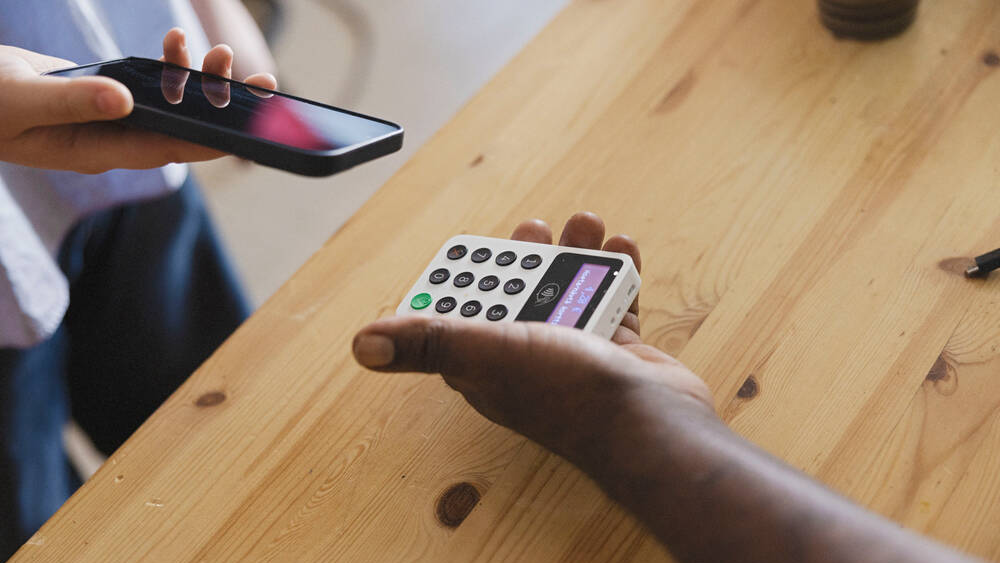
Digitaalinen euro - Valtiovarainministeriö
EU:ssa selvitetään mahdollisuutta ottaa käyttöön digitaalinen euro. Eurosetelit ja -kolikot pysyisivät käytössä, mutta digitaalinen euro täydentäisi niiden rinnalla maksuvälineiden tarjontaa.
 vm.fi
vm.fi
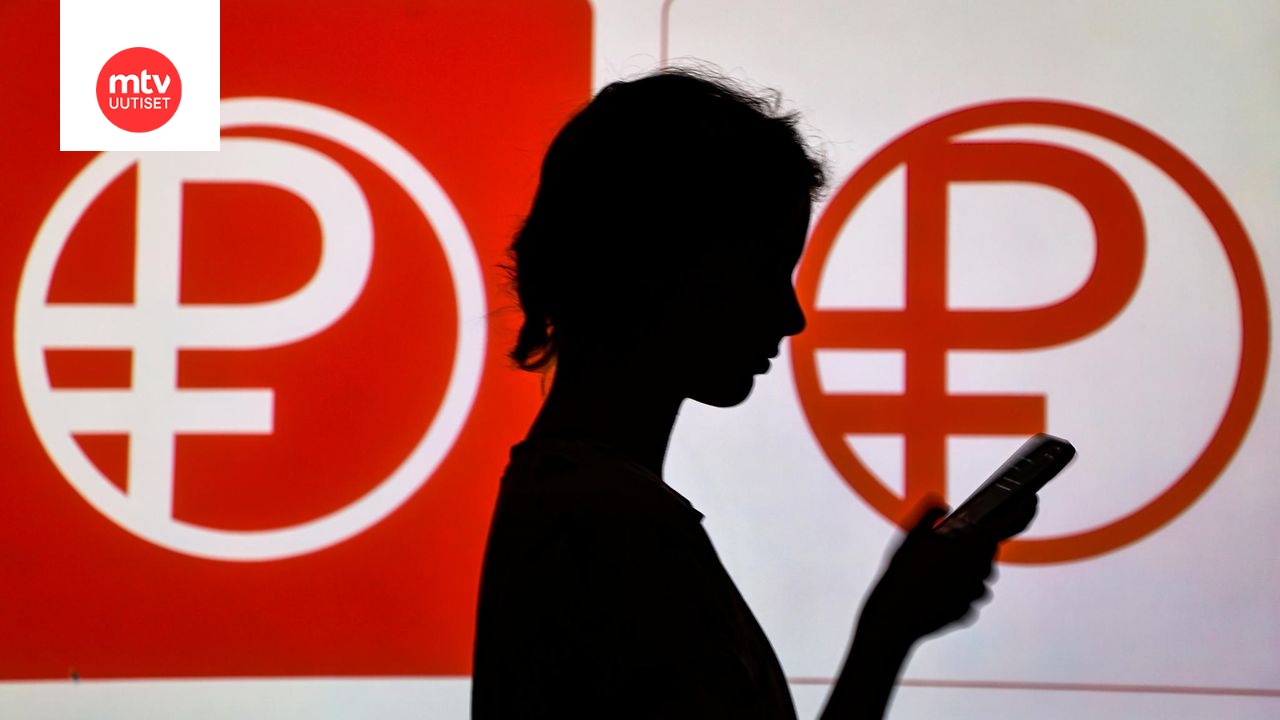
Venäjä on alkanut testata digitaalista ruplaa – voisi auttaa välttämään sanktioita
Venäjä on alkanut testata digitaalista ruplaa.
 www.mtvuutiset.fi
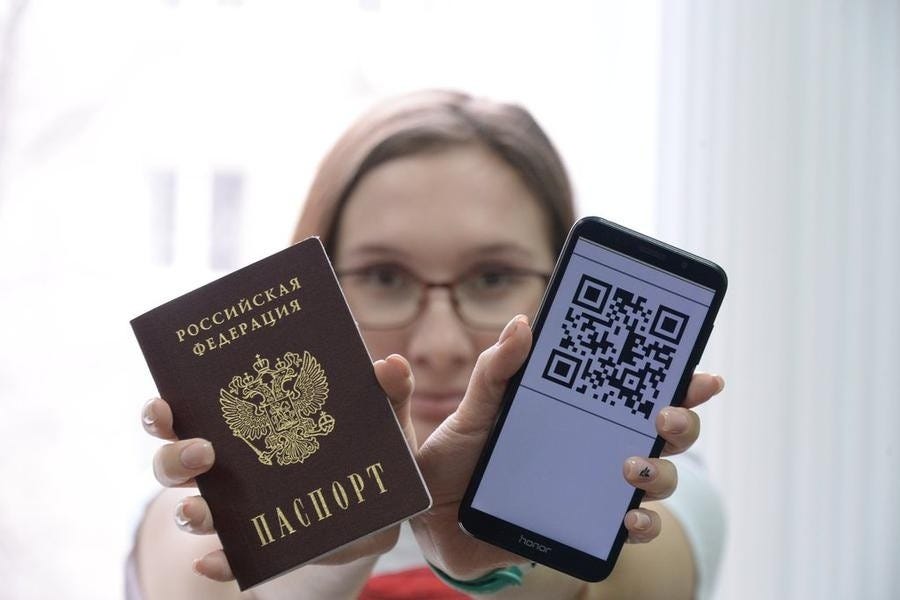
Russia to introduce digital identity cards
Putin instructs ministers to "speed up implementation" of digital ID system
 edwardslavsquat.substack.com
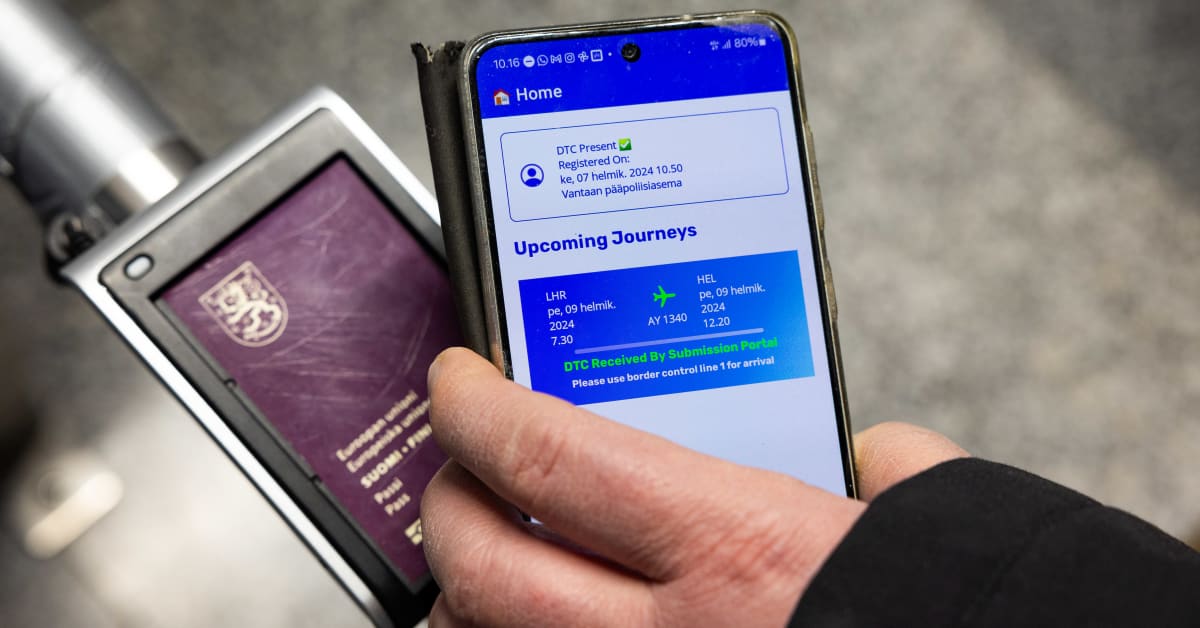
Perinteisistä passeista tulee lähes tarpeettomia, kun EU:n digilompakkoon tulevat sähköinen passi, ajokortti ja kuntosalikortti
EU:ssa otetaan lähivuosina käyttöön eurooppalainen lompakkosovellus. Se helpottaa henkilöllisyyden todistamista ja liikkumista muissa jäsenvaltioissa.
 yle.fi
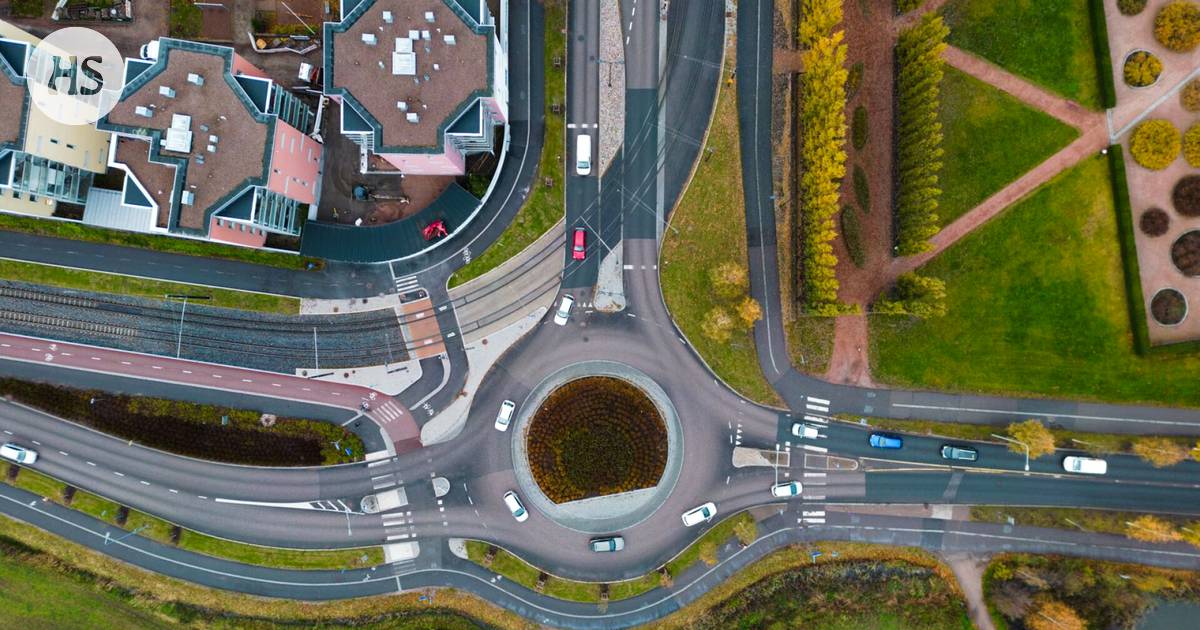
Helsinki | Viikkiin suunnitellaan asuntoja 7 000 ihmiselle, tavoitteena ”15 minuutin kaupunki”
Kaupunkiympäristölautakunta hyväksyi kaavarungon, joka toimii pohjana muun muassa lisärakentamiselle Viikissä.
 www.hs.fi
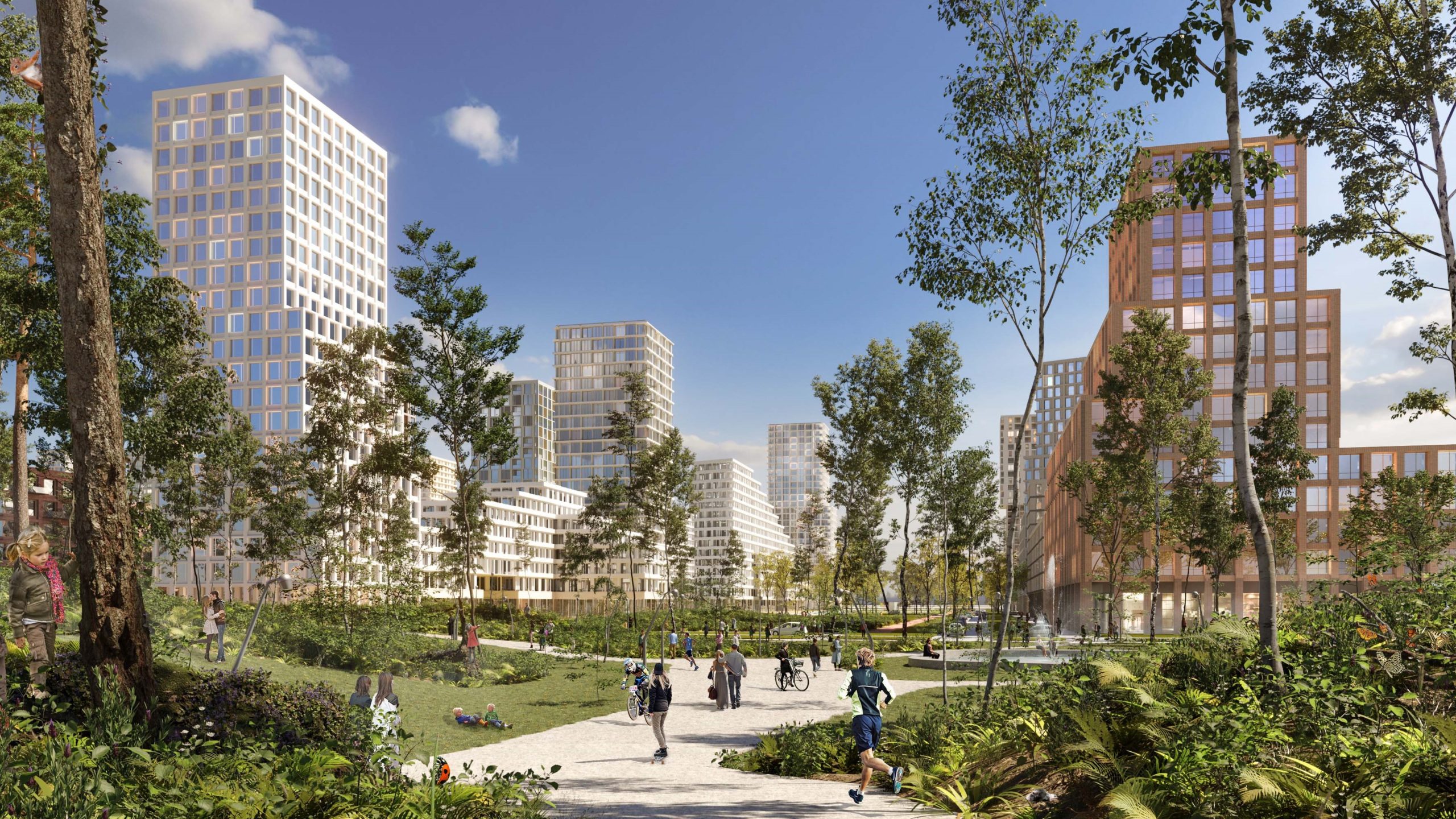
Masterplan complete for “15-minute city” in Moscow - Global Construction Review
Dutch architect KCAP has completed its masterplan for an ambitious scheme to renovate a 113ha industrial site in southern Moscow.
 www.globalconstructionreview.com
Koirarekisteri
 www.ruokavirasto.fi
Процедуру идентификации домашних животных введут во всех регионах
Депутаты Госдумы хотят создать общероссийскую систему идентификации питомцев. Это поможет быстрее искать потерявшихся животных и обеспечить безопасность их перевозки.
 www.klerk.ru
Pet identification procedure will be introduced in all regions
State Duma deputies want to create an all-Russian system for identifying pets. This will help to quickly search for lost animals and ensure the safety of their transportation.
The State Duma proposed the establishment of an all-Russian animal identification system. This is said at the site Dumas.
The system will help to quickly search for lost pets, as well as ensure the safety of their transportation by public transport.
According to deputies, if pets have the stigma, tattoo and the ability to link data to its owner, then identification problems will disappear.


Указ Президента Российской Федерации от 26.10.2023 г. № 812
Новости, стенограммы, фото и видеозаписи, документы, подписанные Президентом России, информация о деятельности Администрации
 www.kremlin.ru
Decree of the President of the Russian Federation of October 26, 2023. № 812 On approval of the Climatic Doctrine of the Russian Federation
Näinhän se valtion virallinen tarina meille kertoo.
Ei oikeastaan, vaan venäläisten aseiden menestys Ukrainassa. Hypersoniset ohjukset olivat pelkkä kupla, hävittäjät ammutaan alas ja panssarivaunut ovat vaarallisimpia niiden omalle miehistölleen. Intialaisia ei kiinnosta ostaa enempää romurautaa ja SER-jätettä..
Huonosti määritelty sana 'voitto' Ylen jutussa, ehkä kyselytutkimuksessa myös. Onko se sitä että kaikki valloitetut alueet on palautettu 1991 tasolle? Entä jos edelleen lentää ohjuksia ja murkulaa idästä, onko silloin voitettu? Mielestäni 1991 rajat ja Venäjä ei enää hyökkäile tarkoittaisi voittoa
Husky
Hyperaktiivi
Sellainen voisi olla kanssa yksi juttu, että Krimistä vuokrasopimus ryssälle. Saisivat pitää siltansa.
Mutta muualta pois ja vaikka hypoteettinen denatsifikaatio, että vanha valta pois ja (tietysti vapailla) vaaleilla uusi tilalle.
En ole tuollaista Krim-ajatusta nähnyt missään rauhaspekulaatioissa, mitä olen ihmetellyt, kun tuo nyt ei olisi ehkä katastrofi.
Olihan Sevastopol jo vuokrattuna ennen tätä.
Edit: Katveen mainitsema pitää olla tavoitteena, mutta noin niinkuin ajatuksena, että mistä hypoteettisesti voisi tinkiä.
Mutta muualta pois ja vaikka hypoteettinen denatsifikaatio, että vanha valta pois ja (tietysti vapailla) vaaleilla uusi tilalle.
En ole tuollaista Krim-ajatusta nähnyt missään rauhaspekulaatioissa, mitä olen ihmetellyt, kun tuo nyt ei olisi ehkä katastrofi.
Olihan Sevastopol jo vuokrattuna ennen tätä.
Edit: Katveen mainitsema pitää olla tavoitteena, mutta noin niinkuin ajatuksena, että mistä hypoteettisesti voisi tinkiä.
Viimeksi muokattu:
Kellarinlämmittäjä
Oppimiskäyrällä
Olihan Sevastopol jo vuokrattuna ennen tätä.
No joo, Sevastopol on ikivanha ja hyvä tukikohta paikka Mustalla merellä, jolla on vuosisataiset perinteet. Kun neukkula hajosi, ei niillä ollut vissiin oikein muuta järkevää paikkaa niille paateille. Sevastopol on alusta saakka aiheuttanut kovasti kitkaa maiden välille. Vuokrasopimusta oli jo jatkettu ja Ukraina on saanut alennusta kaasusta ja kai jotain symbolista vuokraakin. Vuonna 2017 sen sopimuksen piti jonkin allakan mukaan päättyä ja viesti jo kauan ennen sitä oli, että enää ei haluttaisi jatkaa ja paatit voisi viedä pois. Ei se varmaan alun perin ollut edes mikään sillanpää asema Ukrainan valloitukseen vaikka se semmoiseksi sittemmin putlerin valtakaudella muuttuikin ja siksi sitä ei sitten missään nimessä haluttu Ukrainalle palauttaa vaikka sopimuksen umpeutuminen oli lähestymässä ja uutta tukikohtapaikkaa olisi pitänyt rueta rakentelemaan jo vuosikymmen aikaisemmin. Varmaan yksi rikka rokassa miksi Krimi miehitettiin mutta krimin miehityksen tavoite oli varmaan laajempikin valmistautuminen tähän nykyiseen. Se oli vain helpoin pala kakusta ja toimintasuunnitelma onnistui aika prikulleen.
Husky
Hyperaktiivi
No, miten on: jos kyselijä kysyisi tuota mainittua skenaariota, niin mitä vastaisit?
Tuskin kukaan sanoo, että olisi Venäjän voitto.
Kyllä voisi mielestäni olla siinä rajoilla ainakin, että voisi laskea Ukrainan voitoksi tuon.
Ja taustana se, kun jossakin ohjelmassa puhuttiin romahduksesta nyt kun USAn apu kohta myöhässä ja EU pelastaa maapallon ilmaston eikä Ukrainaa ja itseään, tai esim rajavaltioitaan. Että tie Dniproon on suunnilleen auki nyt ja mikä matka siitä enää Kiovaan.
Tuskin kukaan sanoo, että olisi Venäjän voitto.
Kyllä voisi mielestäni olla siinä rajoilla ainakin, että voisi laskea Ukrainan voitoksi tuon.
Ja taustana se, kun jossakin ohjelmassa puhuttiin romahduksesta nyt kun USAn apu kohta myöhässä ja EU pelastaa maapallon ilmaston eikä Ukrainaa ja itseään, tai esim rajavaltioitaan. Että tie Dniproon on suunnilleen auki nyt ja mikä matka siitä enää Kiovaan.
Suomalainen hoodee parts päätynyt jenkkien pakotelistalle? Mitähän konkreettisia toimia tuo tarkoittaa? Rahaliikenne ulkomaille estyy?

 www.maaseuduntulevaisuus.fi
Yle: Suomalainen varaosatoimittaja Yhdysvaltojen uudella pakotelistalla
Kyseessä on varaosayritys, jonka Yle kertoi aiemmin MOT-ohjelmassa vievän kuorma-auton osia Venäjälle.
www.maaseuduntulevaisuus.fi

kurre orava
´niin pienen hetken rakkaus on lumivalkoinen...´
Kyllä tuon jälkeen kotimaassakin saattaa kohdata kaikenlaisia vaikeuksia päivittäisissä arkiaskareissa ja rahaliikenne vähintäänkin takkuilee. Olen ymmärtänyt etteivät pankit halua koskea pitkällä tikullakaan pakotelistalla oleviin jotteivät joutisi itse samalle listalle.Suomalainen hoodee parts päätynyt jenkkien pakotelistalle? Mitähän konkreettisia toimia tuo tarkoittaa? Rahaliikenne ulkomaille estyy?
Yle: Suomalainen varaosatoimittaja Yhdysvaltojen uudella pakotelistalla
Kyseessä on varaosayritys, jonka Yle kertoi aiemmin MOT-ohjelmassa vievän kuorma-auton osia Venäjälle.
Eli todennäköisesti tilit sanotaan irti tai jäädytetään. Ei ole onneksi omakohtaista kokemusta moisesta.
niin kauan siihen menee kun asekauppiaat on saanut tarpeeksi rahaa esim. presidentti bush:in suku ja venäjällä oligarkitSota ei ole vielä loppunut joten kumpikaan ei ole sotaa voittanut. Jos lännen apu Ukrainalle ei kasva tulee Venäjä voittamaan sodan. Kysymys on vain siitä monta vuotta siihen menee että Venäjä voittaa sodan.
Tällä hetkellä näyttää että ollaan tuohon menossa.Jos länsimaat kokoaa yhteenliittymän on mahdollista työntää metri metriltä venäjä ukrainasta käytännössä parin kuukauden homma mutta suurin este tuolle on venäjän kannattajat lännessä myös suomessaSota ei ole vielä loppunut joten kumpikaan ei ole sotaa voittanut. Jos lännen apu Ukrainalle ei kasva tulee Venäjä voittamaan sodan. Kysymys on vain siitä monta vuotta siihen menee että Venäjä voittaa sodan.
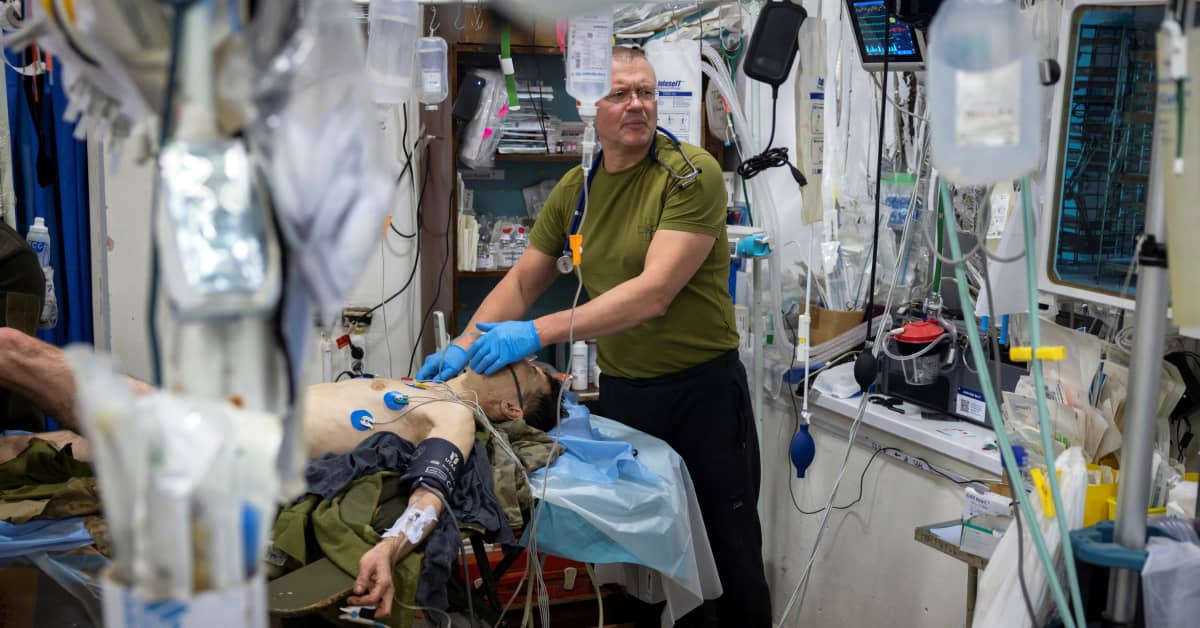
Ukrainalainen lääkäri: Venäjä käyttää myrkkykaasuja, jotka lamaannuttavat sotilaita
Uutistoimisto Reuters on käynyt kenttäsairaalassa Donetskissa. Haavoittuneiden määrä siellä on kasvussa.
yle.fi
Tässä ollaan jo kemiallisien aseiden puolella, jos pitää paikkansa. Tosin ei yllätä, ja aineet sopivan mietoja, että ei aiheuta liian vahvoja reaktioita Ukrainaa tukevissa maissa. Kiellettyjä kuitenkin, mutta johan kaikki sopimukset on muutenkin poltettu, että liekö juuri väliä...
Kyllä siinä niin taitaa käydä.Kyllä tuon jälkeen kotimaassakin saattaa kohdata kaikenlaisia vaikeuksia päivittäisissä arkiaskareissa ja rahaliikenne vähintäänkin takkuilee. Olen ymmärtänyt etteivät pankit halua koskea pitkällä tikullakaan pakotelistalla oleviin jotteivät joutisi itse samalle listalle.
Eli todennäköisesti tilit sanotaan irti tai jäädytetään. Ei ole onneksi omakohtaista kokemusta moisesta.
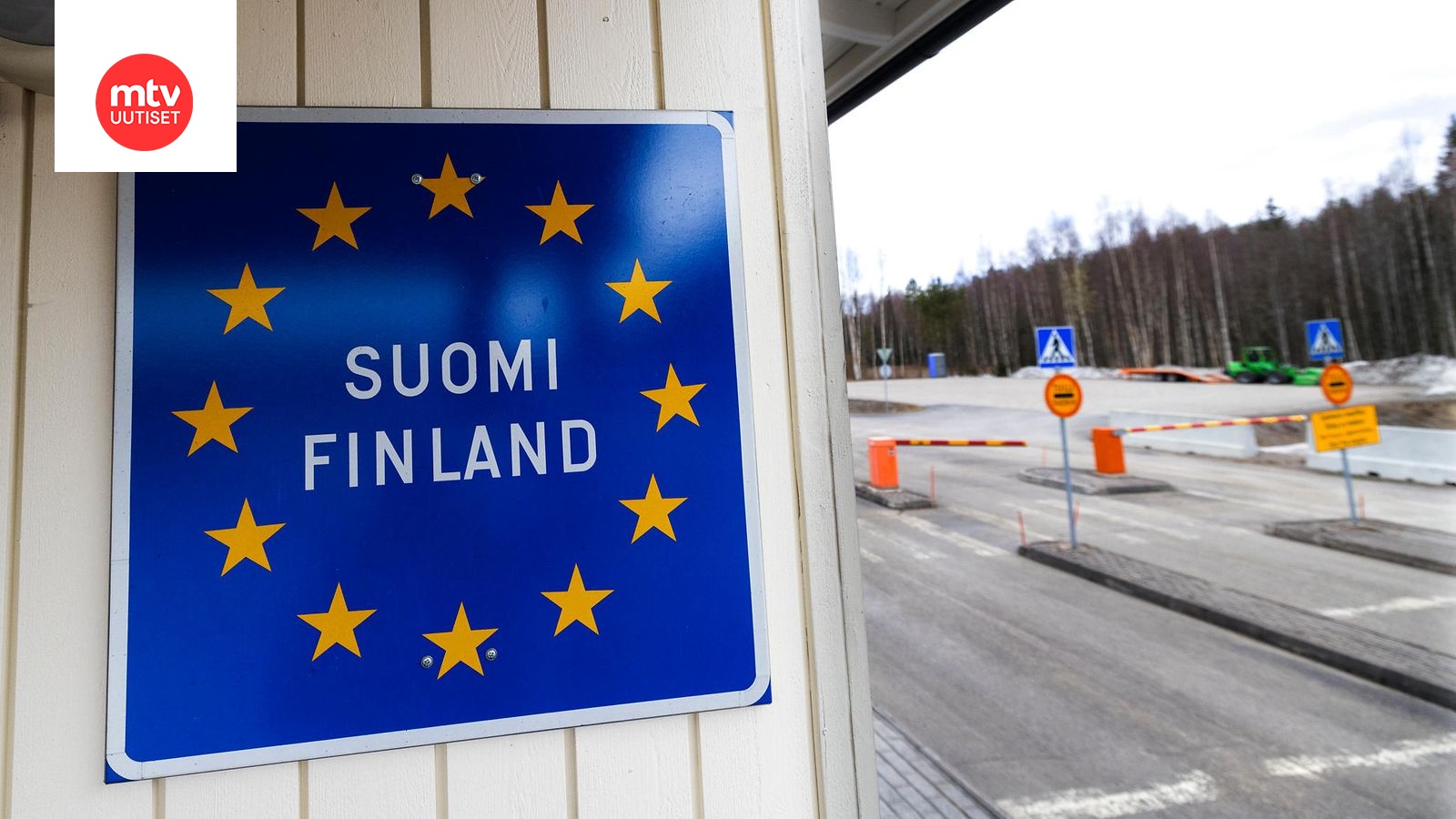
Liikevoitto 175-kertaistui viime vuonna: Tämä tiedetään pakotteiden kohteeksi joutuneista suomalaisyrityksistä – taustalla sama mies
Yhdysvallat asetti kahdelle suomalaiselle huolinta-alan yritykselle pakotteita venäläismarkkinoille suuntautuvan elektroniikkaviennin vuoksi.
www.mtvuutiset.fi
Espejot
Hyperaktiivi
Yhdysvaltain puolustusministeriö on julkaisut ensimmäisen kansallisen puolustusteollisuusstrategiansa raportin (60 sivua) jossa esitellään suurimmat ongelmat.
- Most problems identified by the report stem from the DoD's dependence on private industry, yet private industry itself was never identified as a problem;
- The foreign and domestic policy is based on profit-driven prioritizing, creating industry that pursues profits at the cost of fulfilling that industry's role in providing goods and services for society;
- Russia and China maintain massive state-owned enterprises not only to manufacturing arms and ammunition, but also downstream suppliers for providing raw materials and goods;
 www.businessdefense.gov
- Most problems identified by the report stem from the DoD's dependence on private industry, yet private industry itself was never identified as a problem;
- The foreign and domestic policy is based on profit-driven prioritizing, creating industry that pursues profits at the cost of fulfilling that industry's role in providing goods and services for society;
- Russia and China maintain massive state-owned enterprises not only to manufacturing arms and ammunition, but also downstream suppliers for providing raw materials and goods;
OUSD A&S - Industrial Base Policy
- Tila
- Ei avoinna uusille viesteille.