Nyt keksin millä tuon kennon pesen. Laitekin sattuu olemaan jossain jemmassa jo valmiiksi ostettuna. Eli tuollainen värkki (tornador) missä on pyörivä suutin ja laite ampuu veden paineilmalla hiukan samaan tapaan kuin painepesurin turbosuutin. Miinuksena tosin se että kompura pitää saada tarpeeksi lähelle puhdistettavaa kohdetta....
Uskaltaakos tuota TEHO Foaming Coil Cleaneria ruiskia tuonne?
Käyttöturvatiedotteessa on mainittu tuollaisia aineita, mitä sitten lienee loppu putelista, vettäkö?:
Ensimmäinen taitaa olla ponneaine:
Tetrafluorietaani (C2H2F4) on fluorattuihin
alkaaneihin kuuluva orgaaninen yhdiste eli niin kutsuttu
fluorihiilivety. Aineesta käytetään myös nimiä norfluraani, CFC-134a ja R-134a. Yhdistettä käytetään
kylmäaineena ja
ponnekaasuna.
Toinen:
Didekyylidimetyyliammoniumkloridi (DDAC)
Tehokas biohajoava kvatti, joka soveltuu parhaiten kovien pintojen desinfiointiin. Tuote täyttää voimassaolevat EU:n biosididirektiivin vaatimukset.
Viimenen taitaakin olla itse pesuaine ja taitaa tämäkin olla harmiton kun haihtuu pois?
What is C9-C11 alcohol ethoxylate
C9-C11 alcohol ethoxylate, also called C9-11 Pareth, is a colorless liquid derived from palm kernel or coconut oil.[1]
What C9-C11 alcohol ethoxylate does in our products
C9-C11 alcohol ethoxylate is an emulsifier and a surfactant that breaks the surface tension of water, allowing things to become clean. It can be found in detergents and personal care products, such as styling mousse, hair gel, and other styling products.[2,3,4]
How C9-C11 alcohol ethoxylate made
Commercial alcohol ethoxylate is a mixture of several homologues of varying carbon chain length and degree of ethoxylation. Homologues that are not ethoxylated are also called aliphatic alcohols or simply fatty alcohols.[5] Primary alcohol ethoxylates are made via ethoxylation of primary alcohols with ethylene oxide, using base catalyzed reaction with potassium or sodium hydroxide. Neutralization with an acid such as acetic or phosphoric acid then occurs. Most commercial alcohol ethoxylates are made and delivered as solids, pastes, or solutions.[6]
Why we use C9-C11 alcohol ethoxylate
We use C9-C11 alcohol ethoxylate as an alternative to ammonia. It has the unique ability to clean a surface and then evaporate without leaving a residue (which is especially helpful when cleaning glass, stainless steel and similar surfaces). Although ethoxylated alcohols may experience 1,4 dioxane contamination as a byproduct of the production process, the EPA considers it safe to consume water with 4 ppm of 1,4 dioxane for one day or 0.4 ppm of 1,4 dioxane for 10 days.[7] A study of workers exposed to 0.006–14.3 ppm 1,4-dioxane for an average of 25 years found no evidence of liver or kidney disease or any other clinical effects, and another study found no differences between observed and expected incidences of cancer among workers at a manufacturing and processing facility.[8] Puracy has signed certifications from our ingredient providers that show no more than 2 ppm of 1,4 dioxane in our most concentrated finished product. We only use these ingredients in cleaners, which are rinsed or wiped away with a cloth rather than applied to the skin.

 Koska kyllähän Me Tiedämme(tm) tällä foorumilla että lamellit keräävät nöyhtää laitteessa kuin laitteessa. Valmistajat koittavat ratkoa kuivausrummuissa a) hyvällä suodatuksella, mutta aina jotain pääsee lävitse, hikoileva kenno poistaa jonkun määrän x tästä mikrometriluokan(?) tavarasta veden mukana. b) painovoimainen aktiivinen huuhtelu käytössä (Bosch/Siemens) mutta ei mahda olla täydellinen ja oliko nyt että tämäkin vain kennoston etuosalle, ei koko kennolle.


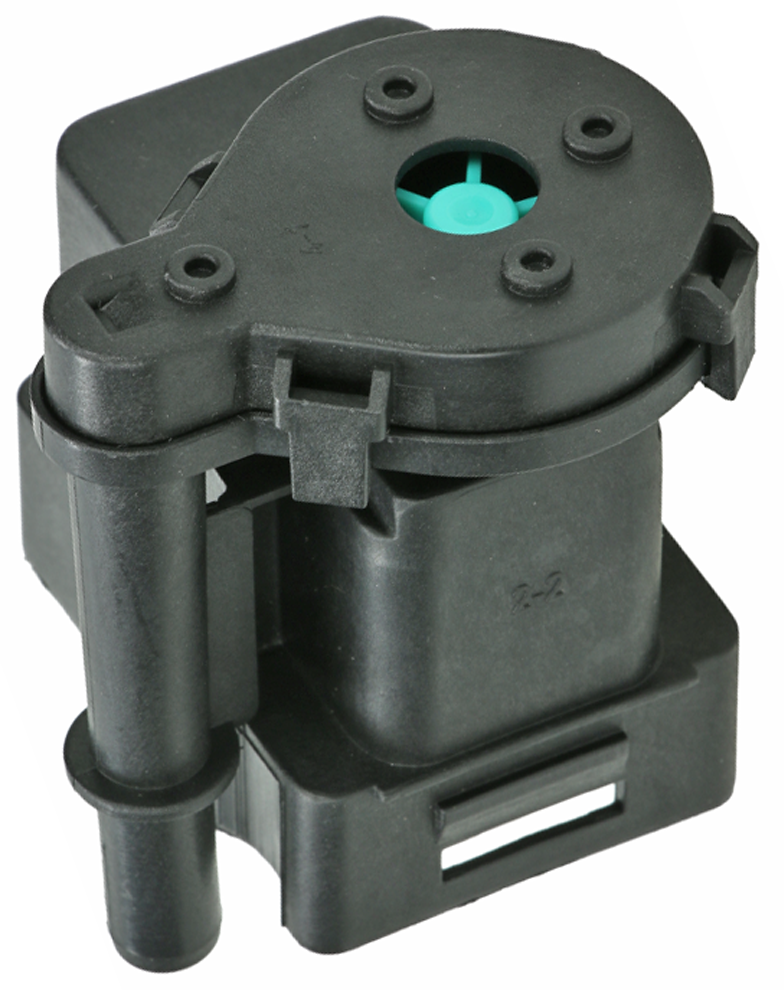
 Tässä esimerkiksi myyntilmoitus missä mainitaan että Hanyu Pump Exhaust System 13W B13-6B Dryer löytyy mm seuraavista merkeistä Beko AEG Zanussi Electrolux EDH. Samsungilla näyttää olevan vain hiukan erilainen varaosanumero