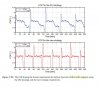
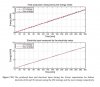
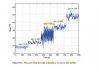
Vs: Vesi-ilmalämpöpumppujen ( VILP ) COP, tehot ja sulatukset
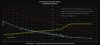
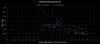
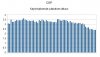
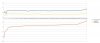
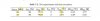
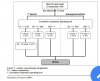
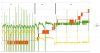
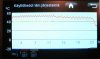
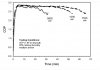
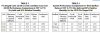
Vaikuttaahan noissa olevan jotain eroja. Kopioin tähän tuon Niben sulatuslogiikan tuosta manuskasta.
CTC:llä ei ole noita passiivisulatuksia. CTC:n sulatus tapahtuu aina niin että kompura säätää kierrokset 40 r/s, puhallin pysähtyy ja 4-tieventtiili kääntyy. Tuon Niben passiivisulatuksen ikkuna on hyvin kapea, 4-5 astetta. Lämpimämmässä en usko sitä tarvittavan ja kylmemmässä se ei toimi (käynnistyy aktiivisulatus)
Nibellä vaikuttaa myös olevan jokin kello. Itse kuvittelen tuon kerrotun perustella Niben lähtevän laskemaan sulatusaikaa, kun kennon lämpötila laskee sellaiseksi, että jäätä saattaa muodostua. Alla kerrottu kuvaus sopii hyvin yhteen CTC:n toiminnan kanssa (heti tuossa alussa). CTC:llä toimii tuo kello niin, että se kulkee aina nollaan mutta jos on tarpeeksi lämmintä, sulatusta ei näy ei kuulu.
Ymmärsinkö nyt oikein, että Nibellä olisi noita aktiivisulatuksia jotenkin kahdenlaisia (ehkä jossakin toisessa mallissa) Sellaisia joihin kompressori ei osallistu työllään ollenkaan ja sitten noita normaaleja nelitieventtiilin käännöllä ja täydellisellä takaperin toiminnalla aikaan saatavia sulatuksia. Alla puhutaan vain passiivisulatuksista puhaltimella lämpimissä olosuhteissa ja sitten noista kompressorisulatuksista kun passivisultus ei enää ole mahdollinen.
Ensimmäistä kertaa törmään tuohon tuulimainintaan mutta erittäin loogistahan tuo on ja olen vähän pelännyt kuinka 520 M jaksaa tuulessa ja tuiskussa kuumentaa kennonsa. Sulatuksen loppuvaiheessa sen tuntuu käteen oikein mukavan lämpimältä. Ohjeissa ei missään puhuta sanallakaan tuulelta suojautumisesta, sitä vastoin vain pelotellaan ettei ilman kulkua saisi mikään rajoittaa.
NIBE:
Control conditions defrosting
■ If the temperature on the evaporation sensor (BT16) is below the start temperature for the defrosting function, F2120 counts the time to "active defrosting" each minute that the compressor is running, to create a defrosting requirement.
■ Time until "active defrosting" is shown in minutes on the indoor module / control module. Defrosting starts when this value is 0 minutes.
■ "Passivedefrosting" is started, ifthe compressorrequirement has been fulfilled, at the same time as there is a defrosting requirement and the outdoortemperature (BT2

is greater than 4 °C.
■ Defrosting occurs actively (with compressor on and fan off) or passively (with compressor off and fan on).
■ If the evaporator is too cold, a "safety defrost" starts. This defrosting can be started earlier than the normal defrosting. If there are ten safety defrostings in a row the evaporator(EP1) on F2120 must be checked, which is indicated by alarm 341.
■ If "de-icing fan" is activated in menu 5.11.1.1, "de-icing fan" starts at the next "active defrosting". "De-icing fan" removes the build-up ofice on the fan blades and the front fan grille. Active defrosting:
1. The four way valve shifts to defrosting.
2. The fan stops and the compressor continues to run.
3. When defrosting is complete, the four-way valve switches back to heating operation. The compressor speed is locked for a short period.
4. The ambient temperature is locked and the high return temperature alarm is blocked for two minutes after defrosting.
Passive defrosting:
1. Ifthere is no compressor demand, passive defrosting can start.
2. The four way valve does not shift.
3. Fan runs at high speed.
4. If there is a compressor demand, passive defrosting stops and the compressor starts.
5. When passive defrosting is complete, the fan stops.
6. The ambient temperature is locked and the high return temperature alarm is blocked for two minutes after defrosting. There are several possible reasons for an active defrosting to end:
1. If the temperature of the evaporator sensor has reached its stop value (normal stop).
2. When defrosting has gone on for longer than 15 minutes. This may be due to too little energy in the heat source,too strong a wind effect on the evaporator and/or that the sensor on the evaporator is not correct and therefore displays too low a temperature (at cold outdoor air).
3. When the temperature on the return line sensor, BT3, falls below 10 °C.
4. If the temperature of the evaporator (BP
falls below its lowest permitted value. After ten unsuccessful defrostings, F2120 must be checked. This is indicated as an alarm 228.